Childhood cancer affects thousands of families every year, disrupting daily life and reshaping what childhood looks like. For families in South Florida, a pediatric cancer diagnosis brings emotional strain, medical complexity, and long periods of uncertainty. Understanding the scope and reality of childhood cancer helps communities respond with compassion, awareness, and meaningful support.
How Common Is Childhood Cancer
Globally, an estimated 400,000 children and adolescents between birth and age 19 are diagnosed with cancer each year, according to the World Health Organization. World Health Organization
In the United States, approximately 15,000 children and adolescents receive a cancer diagnosis annually. This includes nearly 10,000 children under age 15 and thousands of teens and young adults. National Cancer Institute
Statistically, about 1 in 264 children in the United States will be diagnosed with cancer before their twentieth birthday. Children’s Cancer Cause
Types of Childhood Cancer
Childhood cancer is not a single disease. It includes more than a dozen major cancer categories and over one hundred subtypes, each requiring different treatment approaches. Children’s Cancer Cause
The most commonly diagnosed childhood cancers include:
- Leukemia, particularly acute lymphoblastic leukemia, which represents roughly one quarter of pediatric cancer diagnoses. Leukemia and Lymphoma Society
- Brain and central nervous system tumors, which are the leading cause of cancer related death in children. American Cancer Society
- Lymphomas and other solid tumors such as neuroblastoma and sarcomas. Leukemia and Lymphoma Society
Survival Rates and Medical Progress
Advances in pediatric oncology have significantly improved survival outcomes over the past several decades. In the 1970s, survival rates were far lower than they are today.
Currently, nearly 85 percent of children diagnosed with cancer in the United States survive at least five years after diagnosis. American Cancer Society
While these numbers reflect meaningful progress, they do not fully capture the physical, emotional, and long term effects of treatment on children and their families.
The Reality Beyond Survival
Despite improving outcomes, childhood cancer remains the leading cause of disease related death among children in the United States. Each year, more than 1,000 children under age 15 die from cancer. American Cancer Society
Many childhood cancer survivors experience long term health effects related to treatment, including increased risk for heart disease, secondary cancers, and chronic health conditions later in life. National Cancer Institute
The Emotional and Family Impact
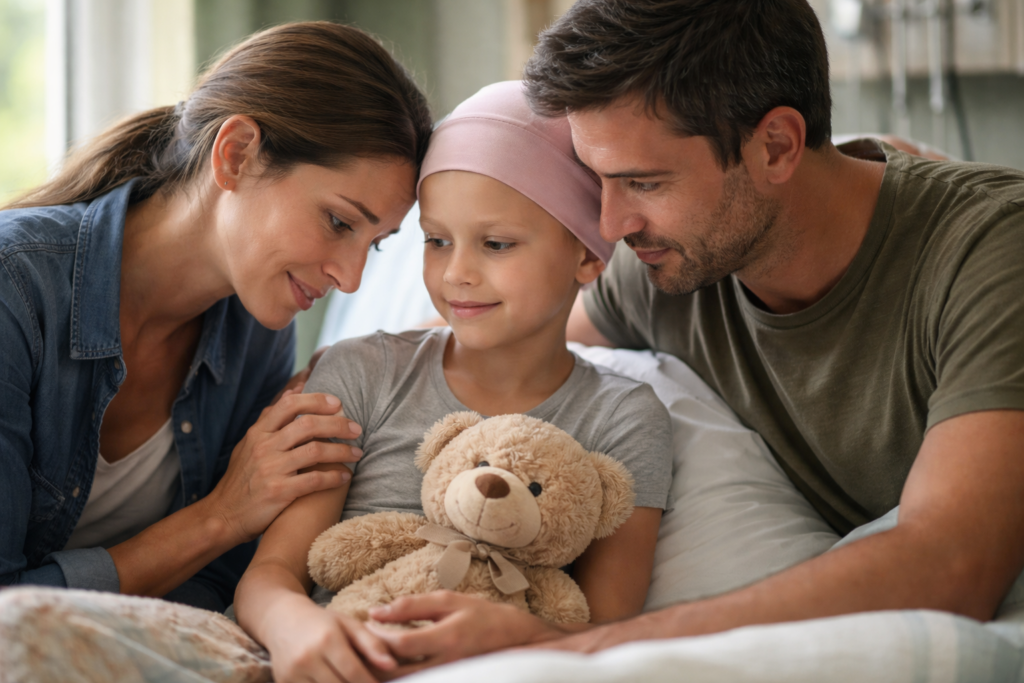
A childhood cancer diagnosis affects the entire family. Research shows that families often experience increased emotional distress, anxiety, and disruption to daily life during treatment.
Parents may be forced to reduce work hours or leave employment to care for their child, leading to financial strain that compounds emotional stress. National Library of Medicine
Siblings may also experience emotional challenges as routines change and attention is focused on treatment and recovery.
Global Disparities in Childhood Cancer Outcomes
Survival outcomes for childhood cancer vary widely across the world. In high income countries, survival rates often exceed 80 percent. In low and middle income countries, survival rates can fall below 30 percent due to limited access to diagnosis and treatment. World Health Organization
These disparities highlight the importance of early diagnosis, access to care, and comprehensive family support.
Why Awareness Matters for South Florida Families
For families across South Florida, local awareness and community understanding play an essential role in supporting children with cancer. When families feel supported close to home, they are better able to focus on treatment, healing, and maintaining a sense of stability.
Childhood cancer is not just a medical challenge. It is a family challenge, a community challenge, and a call for compassion and understanding.
By sharing accurate information and amplifying awareness, we help ensure that families facing childhood cancer feel seen, supported, and never alone.